Skip to content

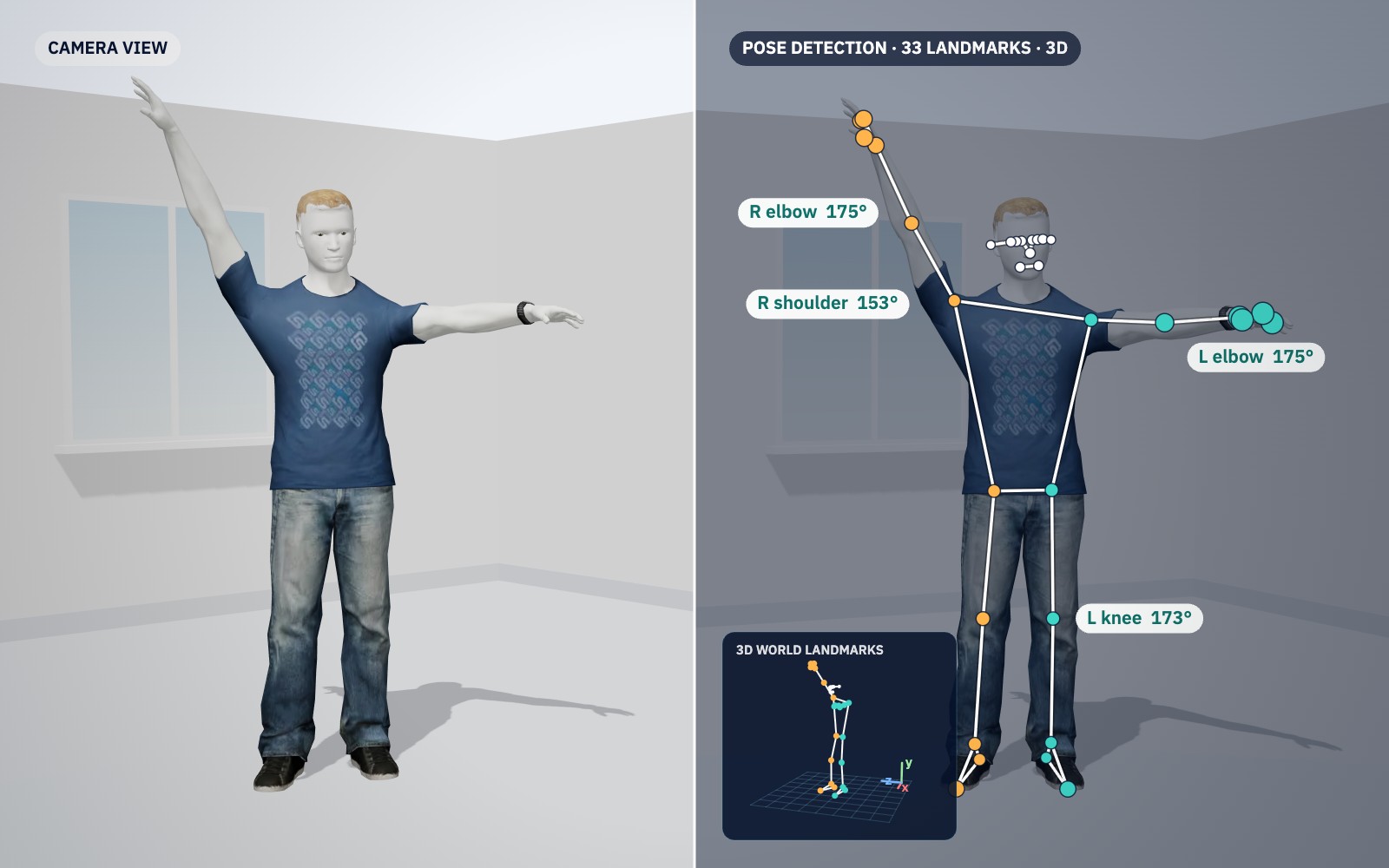
Computer Vision Pose Detection

Tracks body landmarks through a standard webcam, enabling movement analysis without specialized equipment.
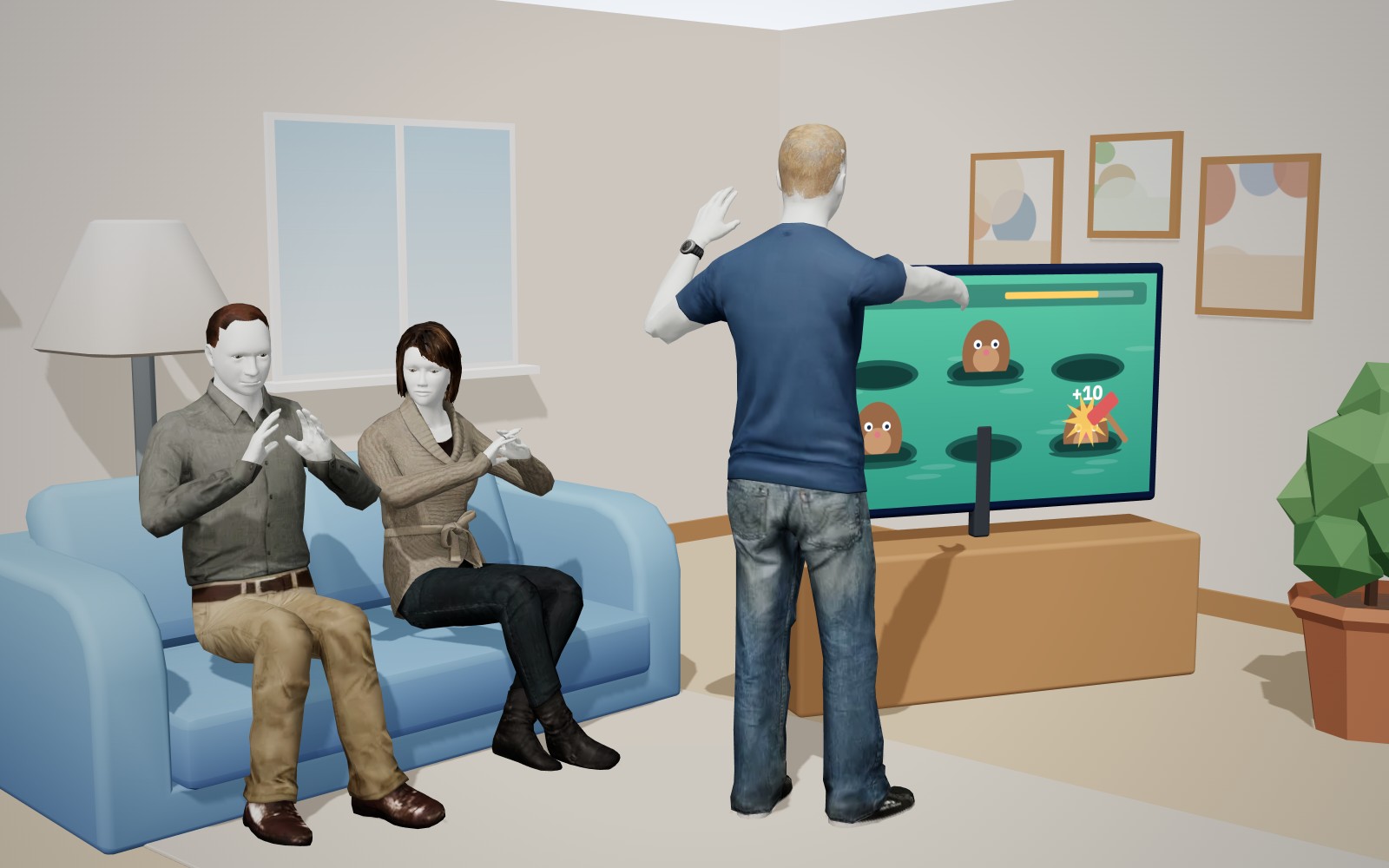
Gamified Therapy Exercises

Interactive browser-based games transform repetitive exercises into engaging activities that increase patient motivation and adherence.
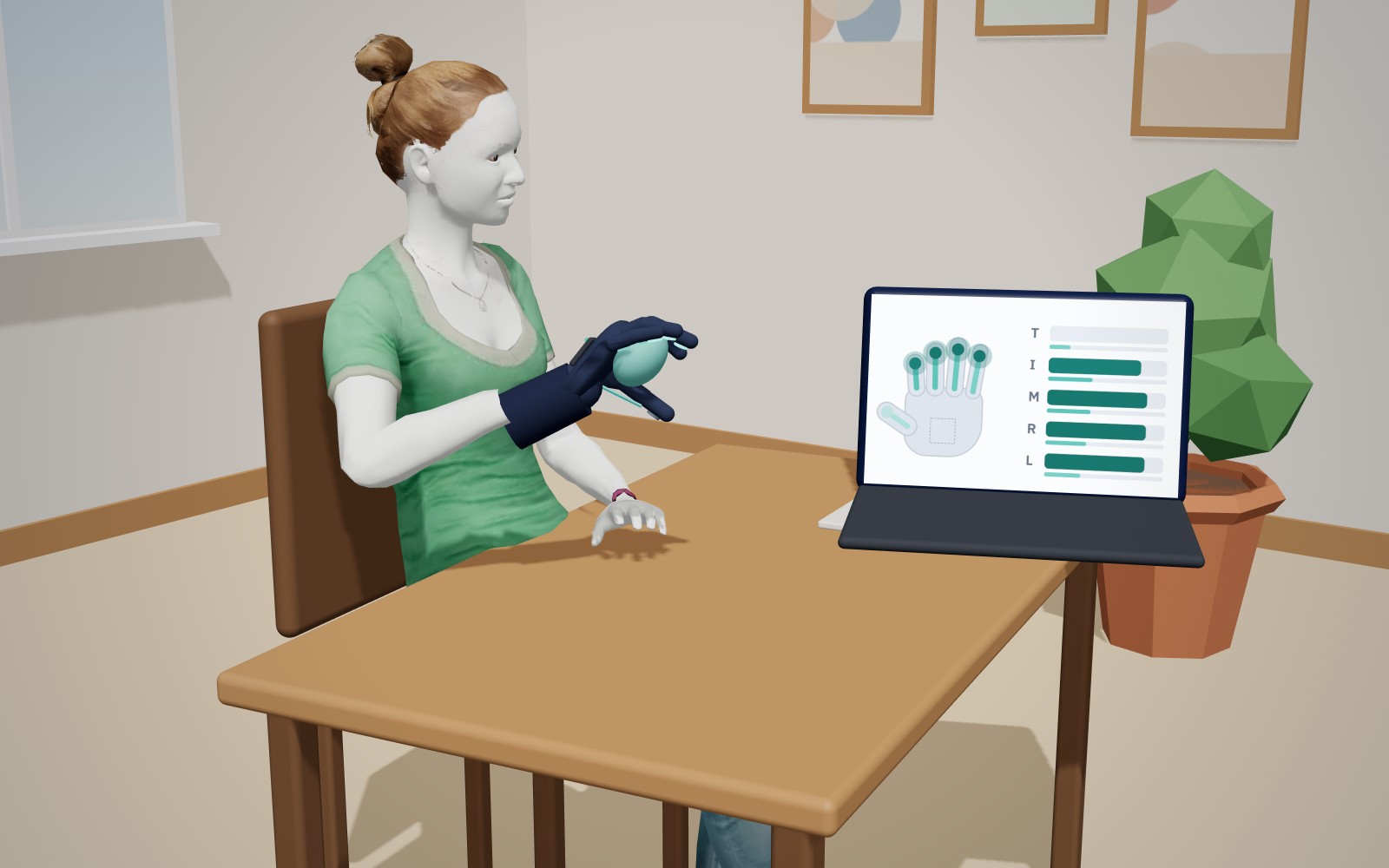
Sensor-Based Input Devices

Arduino-powered sensors such as force-sensitive resistors connect physical rehabilitation tools to the digital therapy platform.

Accessible Rehabilitation
Through Technology

NeuronFRAMES is a research and innovation project developing a web-based AI-assisted rehabilitation system. It combines computer vision pose detection, sensor-based input devices, gamified therapy exercises, speech therapy tools, and progress tracking into a single accessible platform.

Globally, millions of patients cannot access consistent rehabilitation therapy due to cost, geographic distance, or limited clinical resources. NeuronFRAMES aims to address these challenges by delivering therapy tools through a standard web browser, requiring only a webcam and internet connection.

Built with HTML, CSS, JavaScript, and Arduino sensors, the platform is designed to be affordable and deployable in diverse settings, from clinical facilities to patients' homes.

Web-Based Access

Runs in any modern browser: no software installation or expensive hardware required.

Progress Tracking

Data-driven session records help clinicians and patients monitor improvement over time.

Motivation Through Gamification

Game mechanics keep patients engaged and encourage consistent practice between sessions.

Low-Cost Design

Open web technologies and affordable sensors make the system accessible in resource-limited settings.

From Assessment to Measurable Recovery

NeuronFRAMES fits into the rehabilitation cycle clinicians already use, adding structure, motivation, and objective data at every step.

1

Assess & Set Goals

A clinician evaluates the patient and selects the therapy modes, target movements, and starting difficulty that match their rehabilitation plan.

2

Personalize the Program

Exercises, games, sensor tasks, and speech drills are configured per patient. Adaptive difficulty keeps every session in the productive zone.

3

Train: Clinic or Home

Patients practice with real-time pose feedback, encouragement, and family support. The same program runs in the clinic and continues at home in a browser.

4

Track & Report

Every session is logged (reps, accuracy, grip force, reaction time, speech scores) and summarized for the clinician to review and adjust the plan.

Results feed back into step 1, so therapy adapts as the patient improves.

Four Integrated Rehabilitation Modules

Each mode addresses a specific rehabilitation need, from physical movement to speech recovery, using accessible web-based technology.

01
Pose Detection

Enhanced Physical Therapy (EPT)

A pose-detection rehabilitation mode that tracks patient movement using camera-based body landmark detection. It provides visual guidance through pose overlays and automatically counts repetitions and evaluates movement accuracy, giving patients real-time feedback during exercise sessions.

  • Camera-based body landmark tracking via computer vision
  • Visual pose overlay guiding correct movement form
  • Automatic repetition counting and accuracy scoring
  • Session-by-session progress recording
  • No specialized equipment: works with a standard webcam
02
Gamification

Gamified Physical Therapy (GPT)

A game-based therapy mode where patients perform rehabilitation movements through interactive browser games, including reaction tasks, card matching, and motion-based challenges. Designed to increase motivation and adherence by making repetitive exercises feel engaging and rewarding.

  • Interactive rehabilitation games in the browser
  • Reaction-time tasks and card-matching exercises
  • Motion-based game mechanics tied to therapy goals
  • Score tracking and achievement progression
  • Designed to encourage consistent practice
03
Sensor Integration

Interactive Therapeutic System (ITS)

A sensor-integrated rehabilitation system that connects hardware devices, such as grip sensors using force-sensitive resistors and Arduino microcontrollers, to interactive therapy games. Patients interact with therapy exercises using physical input devices, bridging the gap between tangible rehabilitation tools and digital feedback.

  • Arduino-based sensor input devices
  • Force-sensitive resistor (FSR) grip measurement
  • Real-time sensor data visualization
  • Hardware-connected therapy games
  • Affordable, buildable sensor kits
04
Speech AI

Speech Improvement Therapy (SIT)

A speech rehabilitation module that uses browser-based speech recognition to support pronunciation practice, vocabulary exercises, and communication training. Patients receive immediate feedback on their speech accuracy through the Web Speech API, making speech therapy more accessible outside clinical settings.

  • Browser-based speech recognition (Web Speech API)
  • Pronunciation practice with instant feedback
  • Vocabulary building and word exercises
  • Communication training activities
  • Session progress logs for review

How NeuronFRAMES Fits Your Hospital

Two paths, depending on what your hospital already has. We tailor the system either way.

For hospitals with PT ยท OT ยท Speech

Adapt to Your Departments

Already have rehabilitation departments? We customize and tune NeuronFRAMES to your hospital's existing environment, protocols, and workflows. It fits how your teams already work, instead of forcing them to change.

  • Configured to your therapy protocols
  • Integrates into current clinical workflows
  • Staff training & onboarding included
Customize for our hospital
For hospitals without those departments

The Complete Solution

No rehabilitation department yet? We provide the full capability out of the box through our four modes (EPT, GPT, ITS, and SIT), standing up a complete rehabilitation offering where none existed before.

  • All four therapy modes, ready to run
  • Runs in a browser: minimal hardware
  • Family-friendly home therapy built in
Get the full solution

Adaptive & Family-Friendly Training

Two ideas keep patients practicing: therapy that adjusts to them, and a support system that practices with them.

Adaptive Difficulty

Adaptive Friendly Training

NeuronFRAMES automatically adjusts therapy difficulty based on patient performance, keeping exercises challenging but achievable throughout recovery.

  • When struggling: thresholds relax, rep targets drop, game difficulty lowers, preventing frustration
  • When improving: precision requirements rise, targets expand, challenges scale up progressively
  • Balanced progression: stays in the therapeutic zone, maximizing both motivation and clinical gain

Adaptive Difficulty Scaling

Easy
Medium
Hard
Lower thresholds
Higher precision
Adjusts automatically from real-time patient performance
Family Engagement

Family Friendly Training

Motivation rises sharply when family members take part. Family involvement is built in as a core part of home-based therapy, where consistent practice depends on support beyond the clinic.

  • Assisted exercises: family members help with positioning, encouragement, and movement during guided exercises
  • Shared therapy games: collaborative and competitive modes let family play alongside the patient
  • Consistent practice: family involvement builds the accountability and routine that keep home therapy on track

Collaborative Rehabilitation Model

Clinician

Prescribes & monitors

Patient

Performs exercises

Family

Assists & encourages

โ† Connected through NeuronFRAMES โ†’
Family engagement leads to higher adherence and better outcomes